Youth Ethical Leadership Bootcamp on "Responsible Influence: Ethical Content Creation for Impact"
In partnership with:
Why this track matters
Public trust is built over time, yet in today’s digital environment it can be strengthened or damaged in a single scroll. The WEF Global Risks Report 2024 identifies misinformation and disinformation as the world’s most severe short-term global risk, highlighting how fragile confidence has become in an attention-driven information landscape.
What the conversation explores
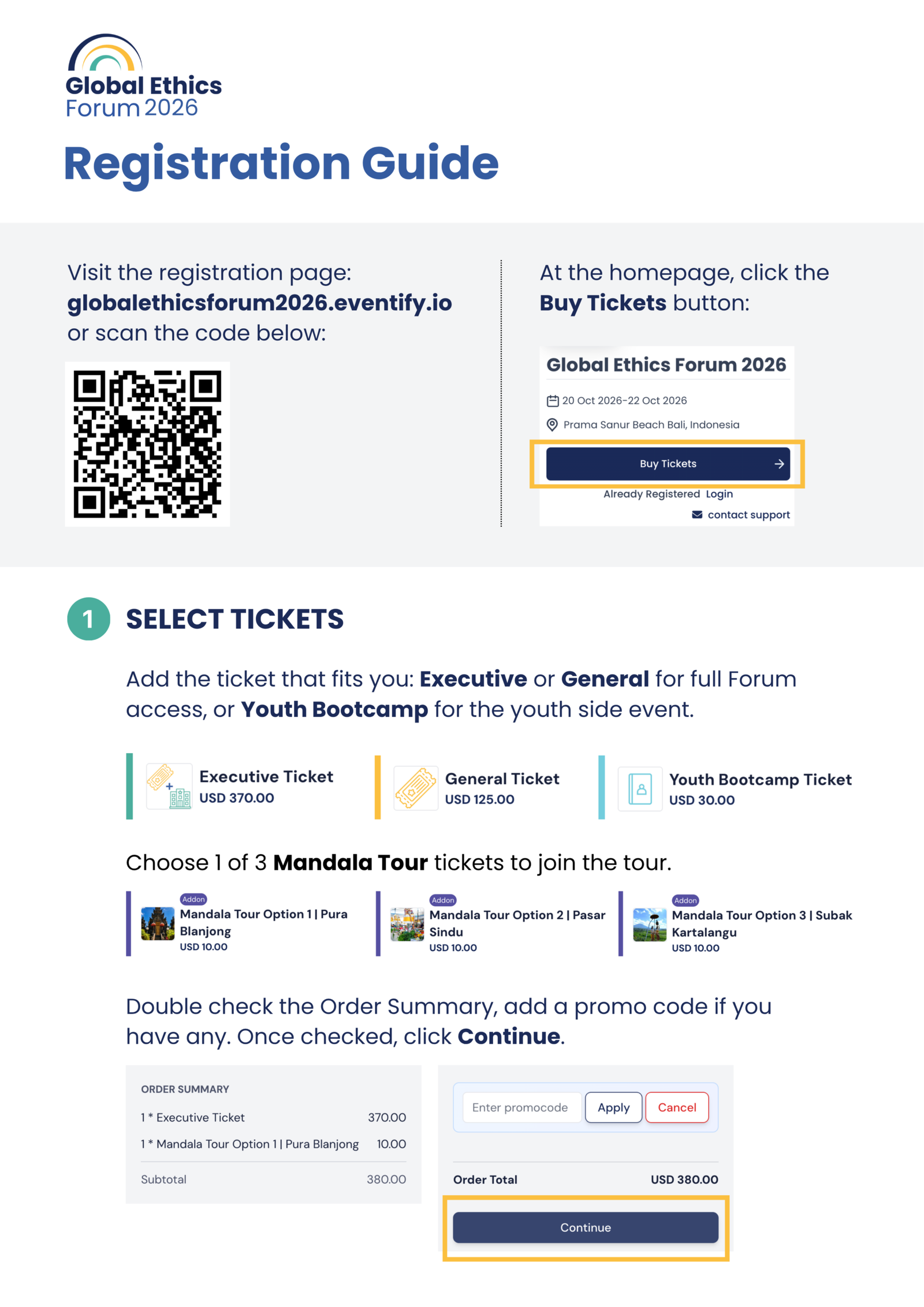
The Youth Ethical Leadership Bootcamp is GEF 2026’s dedicated youth event designed to turn credible youth ideas into trusted public influence. Through storytelling labs, verification drills, and responsible narrative design, 45 emerging leaders strengthen their influence by building visibility, credibility, and access to the ecosystem.
Key Outcomes
Publish-Ready Content: Create polished assets ready for campaigns, advocacy, and professional portfolios
Verification Workflow: Build fast fact-checking habits that strengthen trust and digital credibility
GEF Ecosystem Access: Connect with curated leaders and cross-sector opportunities in business, technology, and policy
Youth Policy Voice: Shape youth recommendations that feed directly into GEF’s closing synthesis and commitment pathways
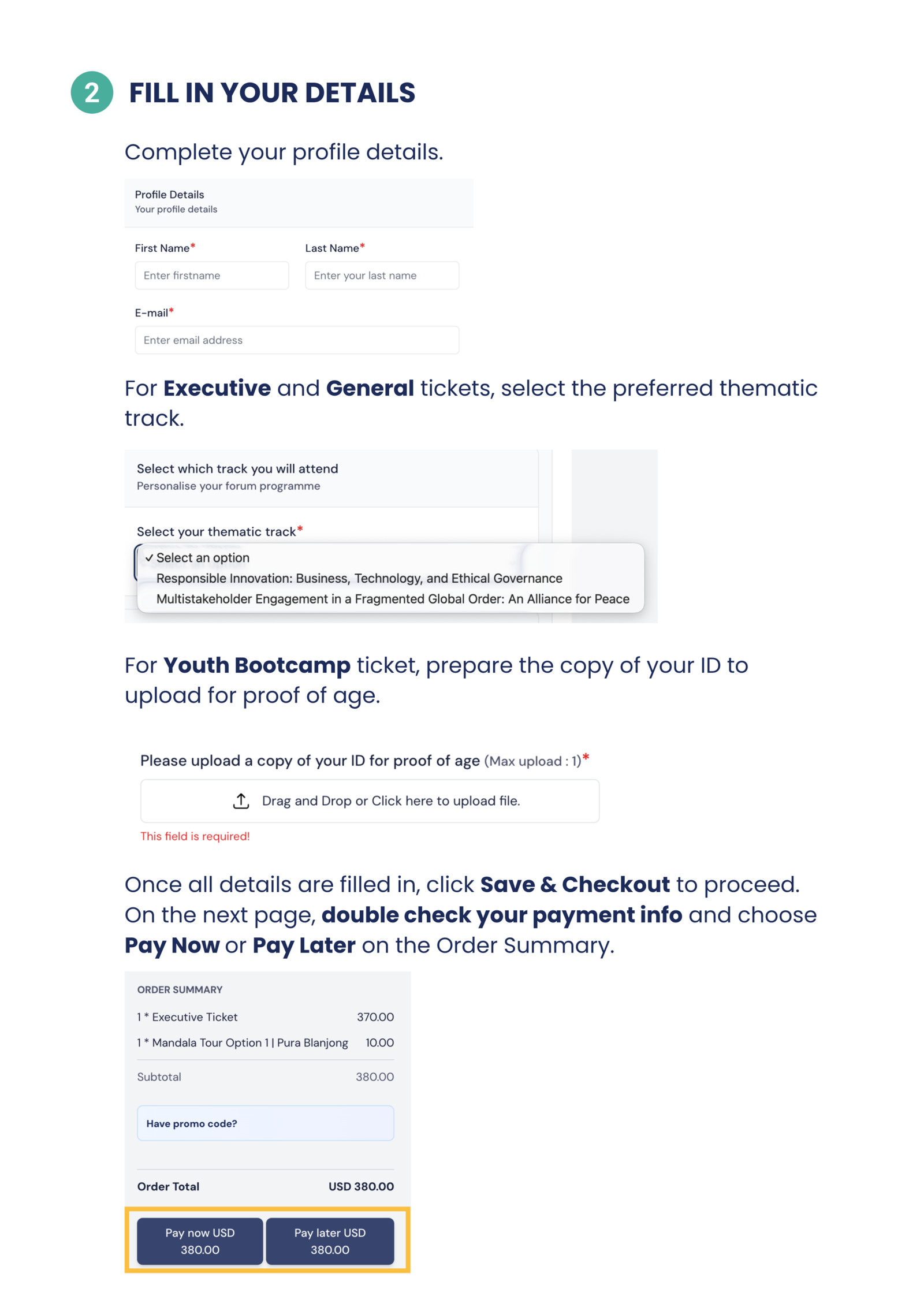
Policy & Society: Multistakeholder Engagement in a Fragmented Global Order: An Alliance for Peace
Why this track matters
The world today is marked by division, uncertainty, and rising geopolitical tension. In such a climate, peace can no longer be pursued through diplomacy alone — it requires new forms of cooperation, moral courage, and collaboration across sectors that don't always work together. This track brings together voices that rarely share a stage: diplomats, civil society leaders, academics, and faith-based and humanitarian communities. The premise is simple — lasting peace is built through multistakeholder engagement, not any single institution acting alone.
What the conversation explores
Together, this track will explore how dialogue, solidarity, and shared responsibility can be strengthened across borders and belief systems — creating space to imagine what an "ethical alliance for peace" could actually look like in practice, not just in principle. The goal is to reflect on how collaborative leadership — across governments, communities, and institutions — can help shape a global order that is more just, more resilient, and more hopeful, even amid fragmentation.
Responsible Innovation: Business, Technology, and Ethical Governance
Why this track matters
How can we govern AI and innovation so they serve human dignity — not just efficiency and growth? Emerging technologies are reshaping economies, education, media, and public life so quickly that ethical governance is no longer optional — it's now a strategic necessity for governments, businesses, and technology leaders alike. Indonesia is preparing two landmark regulations — a National AI Roadmap and an AI Ethics framework — that could become one of ASEAN's first comprehensive national approaches to AI governance. A central theme: AI shouldn't just speak Indonesian, it should understand Indonesia. Most major AI models are built on Western-centric data, raising urgent questions about representation, cultural inclusion, and digital sovereignty.
What the conversation explores
Companies today operate in a fragmented, high-pressure global landscape — geopolitical tension, economic uncertainty, shifting regulation. Under that pressure, it's easy for business decisions to prioritize short-term survival over long-term human impact. This track exists to pull that conversation back to the center. This discussion builds on recent milestones — the Global AI Impact Summit (India, Feb 2026), the UN Global Dialogue on AI Governance (July 2026), and CNN Indonesia's The Big Idea Forum: AI Forward 2026 — bringing that momentum into a Bali-based dialogue on ethical governance, leadership, and digital trust.
Main Question:
How can individuals, organizations and societies govern innovation under uncertainty so that ethical risks are identified early, decisions are defensible, diverse knowledge and communities are respected, and technological progress contributes to human flourishing?